Why I Built Furnish
The gap between wanting a room to look right and being able to afford someone to make it look right is wider than it has any reason to be. Here's why I'm trying to close it.
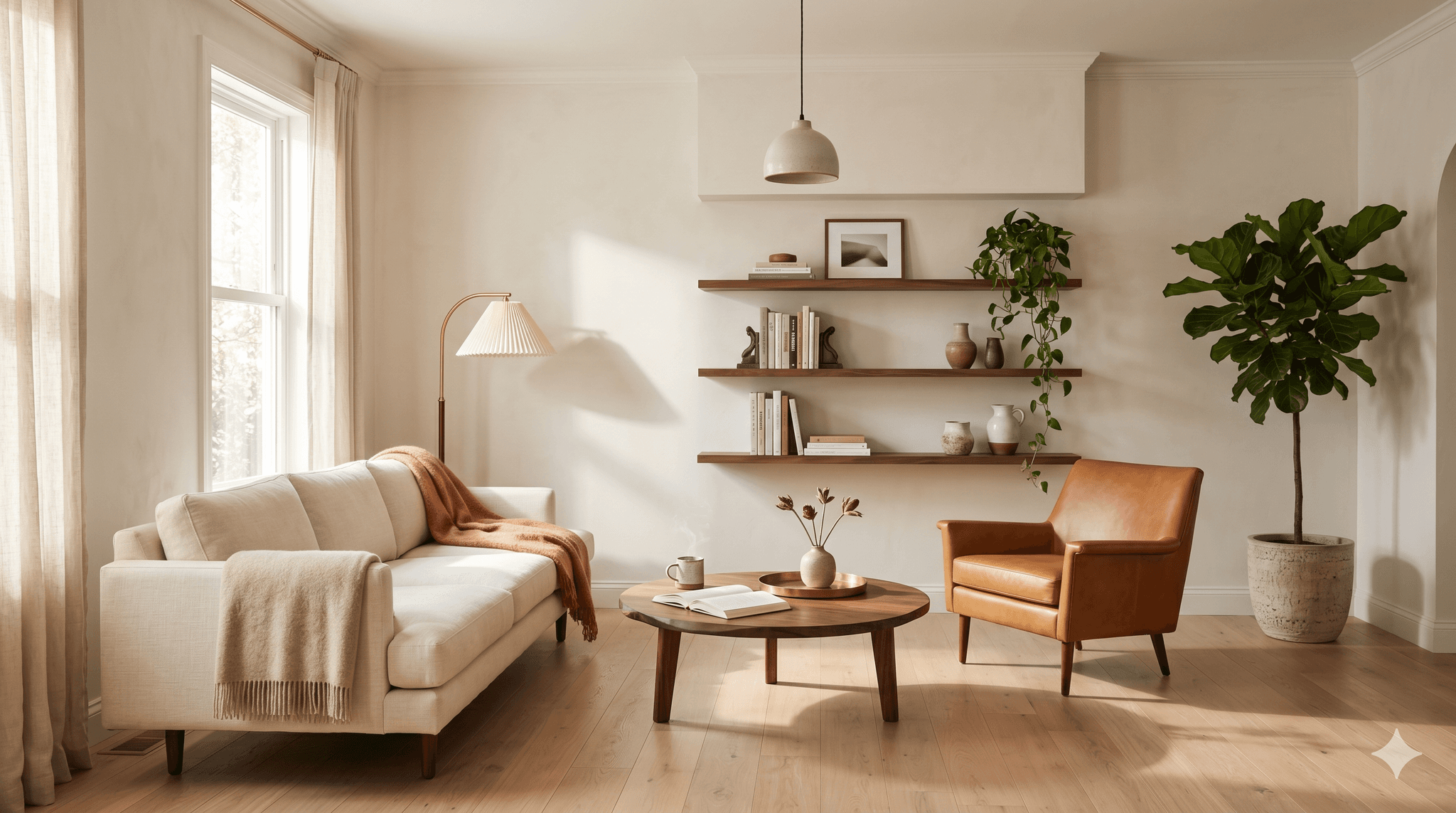
Most people will never hire an interior designer. Not because they don't care how their home feels, they do, but because the cheapest credible designer in their city quotes $1,500 for a single room, and the good ones are double that. Add the actual furniture, and you're looking at five figures to make a living room feel right.
I'm 18. I started Furnish because the gap between wanting a room to look right and being able to afford someone to make it look right is wider than it has any reason to be in 2026. AI is finally good enough to close that gap, and nobody else seemed to be doing it the way I thought it should be done.
The thing I noticed
The result is a profession that ends up serving the top 5 percent of the market by income and leaves everyone else guessing in front of Pinterest.
I started paying attention to interior design the way most people do - indirectly. Friends moving into first apartments and making peace with mismatched IKEA furniture. Family members talking about wanting to "finally do something" with a room they'd been living in for ten years. The same Pinterest boards saved over and over and never acted on.
The pattern was the same every time. People wanted their homes to feel intentional. They had specific style preferences and could describe what they liked. They just couldn't access the expertise that turns preference into a finished room.
The professionals weren't doing anything wrong. Interior designers charge what they charge because their work takes time, site visits, mood boards, vendor coordination, shop drawings, project management. The math has to work for them. The result is a profession that ends up serving the top 5% of the market by income and leaves everyone else guessing in front of Pinterest.
That's the real problem, and it's not anyone's fault. It's just where the economics landed.
What changed
The expert judgment was happening in the model. The shopping was happening in your phone.
A few months ago I started experimenting with the new wave of image AI - the ones that can actually understand a photograph instead of just generating something pretty from a text prompt. I noticed two things.
First, these models could now look at a real room and re-render it in a different style without inventing nonsense. Not perfect, but close enough to be useful. The proportions stayed roughly right. The walls stayed walls. The windows stayed windows. The light stayed where the light was.
Second, the products in those re-renders looked specific. Not generic "chair object" placeholders. Actual chairs that resembled real chairs sold by real retailers.
That second thing was the unlock. If an AI could see a chair in a re-rendered room, and that chair could be matched to something you could actually buy, the entire interior design workflow collapsed from weeks to seconds. The expert judgment was happening in the model. The shopping was happening in your phone. The only thing missing was the connective tissue.
What Furnish is
I built Furnish because design should be accessible, and I wasn't going to gate it behind another paywall to prove the point.
Furnish is an iOS app launching later this year. You take a photo of your room. The AI redesigns it in the style you pick, Scandinavian, mid-century, modern farmhouse, whatever you want. Every piece of furniture in the redesigned version is shoppable: tap a chair, and you go straight to the page where you can buy it.
The app is free to use. We make money the same way every product recommendation site does, when you buy something through the app, the retailer pays us a small commission. You don't pay extra. The furniture costs what it costs at the retailer. Our incentive lines up with yours: if we don't show you furniture you actually want, nobody buys anything and nobody makes money.
This isn't a subscription. There's no premium tier. There's no "unlock more styles for $9.99/month." I built Furnish because design should be accessible, and I wasn't going to gate it behind another paywall to prove the point.
What's next
We're launching on the App Store later in 2026, iOS first, because a one-person team has to pick a platform and ship it well rather than ship two platforms badly. If you want to be the first to know, join the waitlist. We'll keep emails minimal, a quick heads up the week before launch, then a note when we ship. No drip sequences, no newsletters.
Until then, we're publishing real design content here on the blog - the kind of thing I'd want to read when I'm trying to figure out which sofa fabric lasts longer or how to make a small bedroom feel bigger without buying new furniture. If that sounds useful, stick around.
I'll see you when we launch.
Hassan Muhsen Founder, Furnish
Try Furnish on your room
Take a photo. Furnish does the rest.
Snap any room. Furnish redesigns it in your style and shows you every piece, real and shoppable.
Hassan Muhsen
Founder of Furnish. Writes about why he built it and what comes next.